Chapter 12: Establishing Bases — Human-Led
1. Practical Operations and Challenges of Base Construction
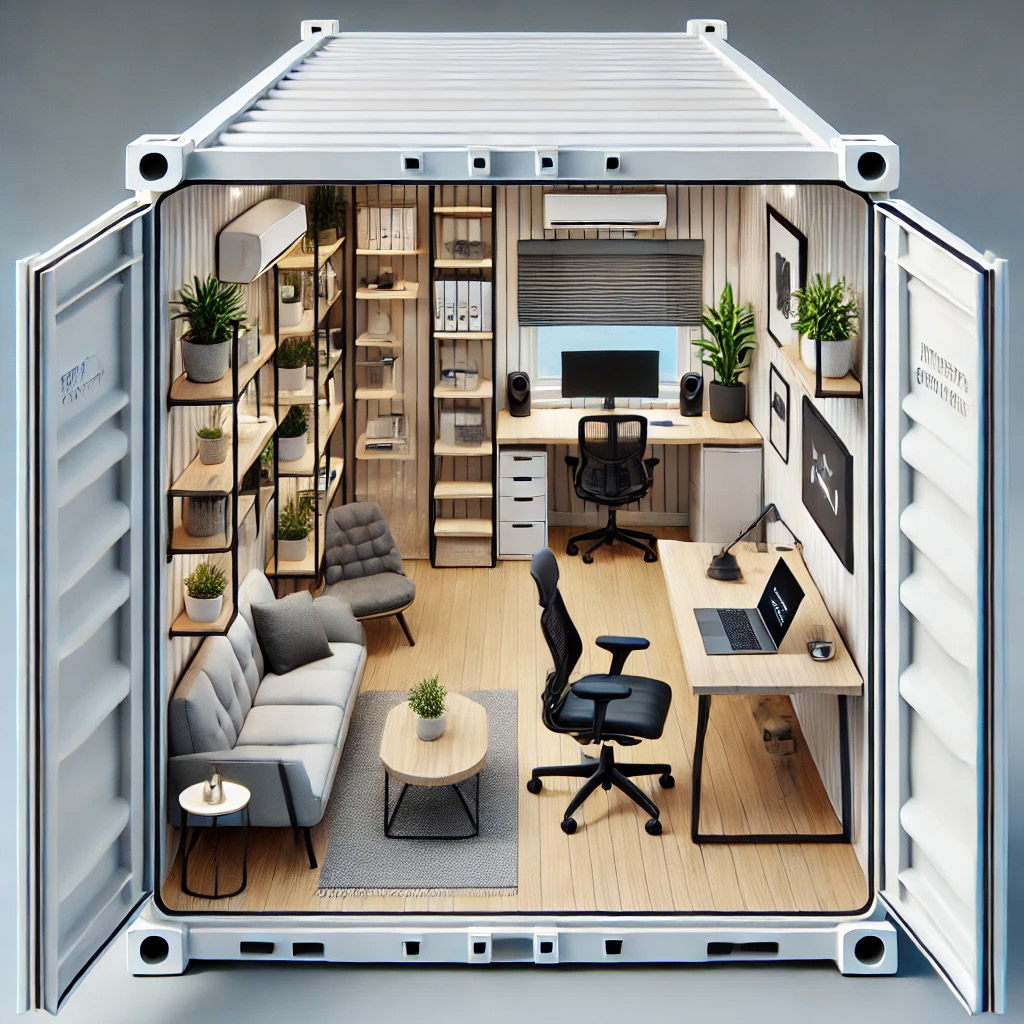
Building a Mars base is not merely the construction of a physical space; it also involves complex engineering technology, resource scheduling, and environmental adaptation issues. After site selection, the practical challenges of base construction become particularly prominent. First, considering the harsh climate conditions and thin atmosphere on Mars's surface, base construction will rely on advanced mechanized deployment and automated control technologies. Since Mars's gravity is approximately 38% of Earth's, the weight and handling of objects are completely different from Earth, requiring building materials and equipment designs that can adapt to the low-gravity environment. The base construction process will be achieved through multi-stage integration. Initially, engineering teams will use automated robots and robotic arms to extract prefabricated containers from the landing module and deploy them on the ground. These containers have been rigorously tested on Earth and are equipped with advanced life support systems, air filtration, temperature control, and other functions, ensuring they can provide survival conditions for Mars residents even in extreme environments. During this process, ground construction of the base also proceeds. Mars's surface is exposed to intense radiation, so the base will construct underground or semi-underground habitat spaces, which not only effectively resist radiation but also utilize the natural insulation properties of Martian soil to reduce energy consumption. Meanwhile, the base will be expanded in stages, gradually adding more container modules to form an efficient, scalable living environment.
2. Container Deployment and Modular Construction
Containers, as the foundational units of Mars base construction, play a crucial role. Each container is a module designed for a specific function, enabling the rapid construction of a complete living environment. This modular construction approach offers high flexibility and scalability. Containers are pre-assembled on Earth and can be quickly connected through robotic arms after transport to Mars, reducing the need for human intervention and greatly improving construction efficiency. The internal and external structures of containers are specially designed for Mars's environment. For example, container exteriors use radiation-resistant and corrosion-resistant materials that can maintain long-term stable performance in extreme climates. Interiors include efficient air and water circulation systems with intelligent temperature and humidity regulation, ensuring residents can live in a comfortable environment. Each container is equipped with intelligent system management functions that can self-detect and repair faults, ensuring Mars residents' daily needs are met. Additionally, containers are not limited to basic living needs; there are also multi-functional laboratories, research facilities, and other modules supporting the Mars base's scientific research, resource extraction, and ecosystem construction. As mission scale expands, containers will gradually integrate to form a complete research and production system, with the base progressively transitioning to a self-sufficient state.
3. Infrastructure Construction and Future Development
Mars base infrastructure construction includes not only energy supply and life support systems but also requires building a highly integrated production, research, communication, and emergency response system. First, the energy system is one of the base's most fundamental needs. Mars has long daylight hours and strong radiation, making solar panels the preferred energy source. However, solar energy supply is affected by Mars's day-night cycle and dust storms, so auxiliary energy systems, especially small nuclear power facilities, will become another important component of energy assurance. Nuclear power facilities will provide uninterrupted energy supply, ensuring the base's continuous operation. Communication system construction is equally critical. The communication distance between Mars and Earth is large, with long signal transmission delays, so efficient communication links need to be established to ensure real-time data exchange. In addition to traditional satellite communications, Mars orbital satellites and ground transmission equipment will be relied upon to ensure smooth information flow between the base and Earth. Meanwhile, internal wireless communication and data transmission systems will enable rapid information sharing among modules within the base. Waste recycling systems are also a core component of base construction. The Mars base will use a closed ecological system where all resources including water, food, air, and energy are recycled within the base. The waste recycling system will effectively process water, gas, and solid waste for reuse. Additionally, Mars's extreme environment requires attention to mental health and social interaction, so the base will be equipped with facilities ensuring residents have sufficient entertainment, social, and cultural activity spaces to help alleviate the psychological stress of long-term isolation. As the Mars base is gradually completed, infrastructure improvements will drive the base toward efficient, sustainable, and intelligent development. This is not only a crucial step in Mars exploration missions but also lays the foundation for humanity's long-term survival on other planets. Through Part II: Establishment — gradual expansion and optimization of base facilities, the Mars Federation's infrastructure will provide sufficient support for subsequent large-scale immigration and research activities.