第十二章:建立基地——以人为主
1. 基地建设的实际操作与挑战
火星基地的建设不仅仅是一个物理空间的搭建,它还包括复杂的工程技术、资源调度与环境适应问题。在选址之后,基地建设的实际挑战就变得尤为突出。首先,考虑到火星表面严苛的气候条件和薄弱的大气层,基地建设将依赖先进的机械化部署与自动化控制技术。由于火星上的重力约为地球的38%,物体的重量和处理方式与地球截然不同,这要求建筑材料和设备的设计要能够适应低重力环境。基地的建设过程将通过多阶段的集成实现。初期,工程队将使用自动化机器人与机械臂将预制的集装箱从登陆模块中提取并部署到地面。这些集装箱在地球上已经过严格的测试,配备了先进的生命支持系统、空气过滤、温度控制等功能,能确保即使在极端环境下也能为火星居民提供生存条件。在这一过程中,基地的地面施工也会展开。火星的表面暴露于强烈的辐射之下,因此基地将建设地下或半地下的栖息空间,这不仅可以有效抵御辐射,还能利用火星土壤的天然隔热性能降低能源消耗。同时,基地还将分阶段进行扩建,逐步加入更多集装箱模块,形成一个高效、可扩展的居住环境。
2. 集装箱部署与模块化建设
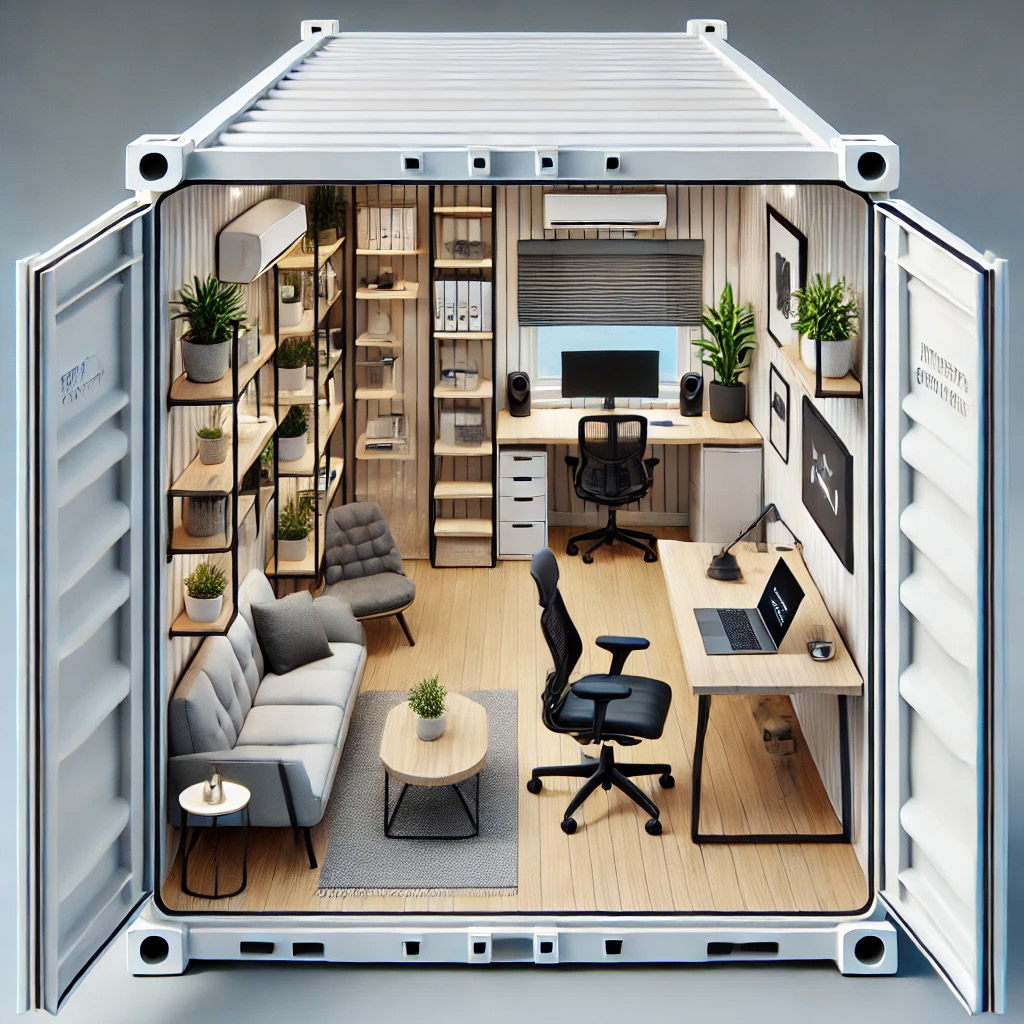
集装箱作为火星基地建设的基础单元,发挥着至关重要的作用。每一个集装箱都是为特定功能设计的模块,可以迅速搭建起完整的生活环境。这种模块化建设方式具有高度灵活性和可扩展性。集装箱在地球上完成预组装,运输至火星后可以直接通过机械臂快速对接,减少人类干预的需求,极大提高建设效率。集装箱的内外结构将根据火星的环境进行特别设计。例如,集装箱外壁采用耐高辐射、抗腐蚀的材料,可以在极端气候下保持长期稳定的性能。内部则包括高效的空气和水循环系统,智能调节室内温度和湿度,确保居民能够生活在舒适的环境中。每个集装箱都配备智能化的系统管理功能,能够自我检测和修复故障,保证火星居民的日常需求得到满足。此外,集装箱将不仅限于基础生活需求,还会有多功能实验室、科研设施等模块,支持火星基地的科学研究、资源采集和生态系统建设。随着任务规模的扩展,集装箱将逐步整合形成完整的科研和生产体系,基地逐步过渡到自给自足的状态。
3. 基础设施建设与未来发展
火星基地的基础设施建设不仅仅包括能源供应和生活支持系统,还需要构建一个高度集成的生产、科研、通信和应急响应体系。首先,能源系统是基地最基本的需求之一。火星的日照时间较长且辐射强,因此太阳能电池板将成为首选能源来源,但太阳能的供应受火星昼夜周期及沙尘暴等因素影响,因此辅助能源系统,尤其是小型核电设施,将成为能源保障的另一重要组成部分。核电设施将提供不间断的能源供应,确保基地的持续运行。通信系统的建设同样至关重要。火星与地球之间的通信距离较远,信号传输的延时较长,因此需要建立高效的通信链路来保障数据的实时交换。除了传统的卫星通信,还将依靠火星轨道卫星和地面传输设备,确保基地与地球之间的信息流通顺畅。同时,内部的无线通信和数据传输系统将使基地内的各个模块之间能够快速共享信息。废物回收系统也是基地建设的核心组成部分。火星基地将采用封闭式生态系统,所有资源包括水、食物、空气和能源都将在基地内循环利用。废物回收系统将对水、气体和固体废弃物进行有效处理,以便重新利用。此外,火星的极端环境要求我们重视心理健康和社会互动,因此,基地将配备设施来确保居民有足够的娱乐、社交与文化活动空间,帮助缓解长期隔离带来的心理压力。随着火星基地逐步建成,基础设施的完善将推动基地向高效、可持续、智能化的方向发展。这不仅是火星探索任务的关键一步,更为人类在其他星球的长期生存奠定基础。通第二部分:建立过逐步扩展和优化基地的设施,火星联邦的基础设施将为后续的大规模移民和科研活动提供充足的支持。
Chapter 12: Establishing Bases — Human-Led
1. Practical Operations and Challenges of Base Construction
Building a Mars base is not merely the construction of a physical space; it also involves complex engineering technology, resource scheduling, and environmental adaptation issues. After site selection, the practical challenges of base construction become particularly prominent. First, considering the harsh climate conditions and thin atmosphere on Mars's surface, base construction will rely on advanced mechanized deployment and automated control technologies. Since Mars's gravity is approximately 38% of Earth's, the weight and handling of objects are completely different from Earth, requiring building materials and equipment designs that can adapt to the low-gravity environment. The base construction process will be achieved through multi-stage integration. Initially, engineering teams will use automated robots and robotic arms to extract prefabricated containers from the landing module and deploy them on the ground. These containers have been rigorously tested on Earth and are equipped with advanced life support systems, air filtration, temperature control, and other functions, ensuring they can provide survival conditions for Mars residents even in extreme environments. During this process, ground construction of the base also proceeds. Mars's surface is exposed to intense radiation, so the base will construct underground or semi-underground habitat spaces, which not only effectively resist radiation but also utilize the natural insulation properties of Martian soil to reduce energy consumption. Meanwhile, the base will be expanded in stages, gradually adding more container modules to form an efficient, scalable living environment.
2. Container Deployment and Modular Construction
Containers, as the foundational units of Mars base construction, play a crucial role. Each container is a module designed for a specific function, enabling the rapid construction of a complete living environment. This modular construction approach offers high flexibility and scalability. Containers are pre-assembled on Earth and can be quickly connected through robotic arms after transport to Mars, reducing the need for human intervention and greatly improving construction efficiency. The internal and external structures of containers are specially designed for Mars's environment. For example, container exteriors use radiation-resistant and corrosion-resistant materials that can maintain long-term stable performance in extreme climates. Interiors include efficient air and water circulation systems with intelligent temperature and humidity regulation, ensuring residents can live in a comfortable environment. Each container is equipped with intelligent system management functions that can self-detect and repair faults, ensuring Mars residents' daily needs are met. Additionally, containers are not limited to basic living needs; there are also multi-functional laboratories, research facilities, and other modules supporting the Mars base's scientific research, resource extraction, and ecosystem construction. As mission scale expands, containers will gradually integrate to form a complete research and production system, with the base progressively transitioning to a self-sufficient state.
3. Infrastructure Construction and Future Development
Mars base infrastructure construction includes not only energy supply and life support systems but also requires building a highly integrated production, research, communication, and emergency response system. First, the energy system is one of the base's most fundamental needs. Mars has long daylight hours and strong radiation, making solar panels the preferred energy source. However, solar energy supply is affected by Mars's day-night cycle and dust storms, so auxiliary energy systems, especially small nuclear power facilities, will become another important component of energy assurance. Nuclear power facilities will provide uninterrupted energy supply, ensuring the base's continuous operation. Communication system construction is equally critical. The communication distance between Mars and Earth is large, with long signal transmission delays, so efficient communication links need to be established to ensure real-time data exchange. In addition to traditional satellite communications, Mars orbital satellites and ground transmission equipment will be relied upon to ensure smooth information flow between the base and Earth. Meanwhile, internal wireless communication and data transmission systems will enable rapid information sharing among modules within the base. Waste recycling systems are also a core component of base construction. The Mars base will use a closed ecological system where all resources including water, food, air, and energy are recycled within the base. The waste recycling system will effectively process water, gas, and solid waste for reuse. Additionally, Mars's extreme environment requires attention to mental health and social interaction, so the base will be equipped with facilities ensuring residents have sufficient entertainment, social, and cultural activity spaces to help alleviate the psychological stress of long-term isolation. As the Mars base is gradually completed, infrastructure improvements will drive the base toward efficient, sustainable, and intelligent development. This is not only a crucial step in Mars exploration missions but also lays the foundation for humanity's long-term survival on other planets. Through Part II: Establishment — gradual expansion and optimization of base facilities, the Mars Federation's infrastructure will provide sufficient support for subsequent large-scale immigration and research activities.